Peer Review and Atelier Kunstnerforbundet: - Art should not be an elite or exclusive pursuit. Everyones voice and opinion can be considered
Who are the recipients of Balansepotten, and what motivates them? We spoke with founder of Peer Review, Jelsen Lee Innocent, and curator Martina Petrelli from Atelier Kunstnerforbundet, who recieved support from Balansepotten in 2026 for the project ´Shifting Coordinates´
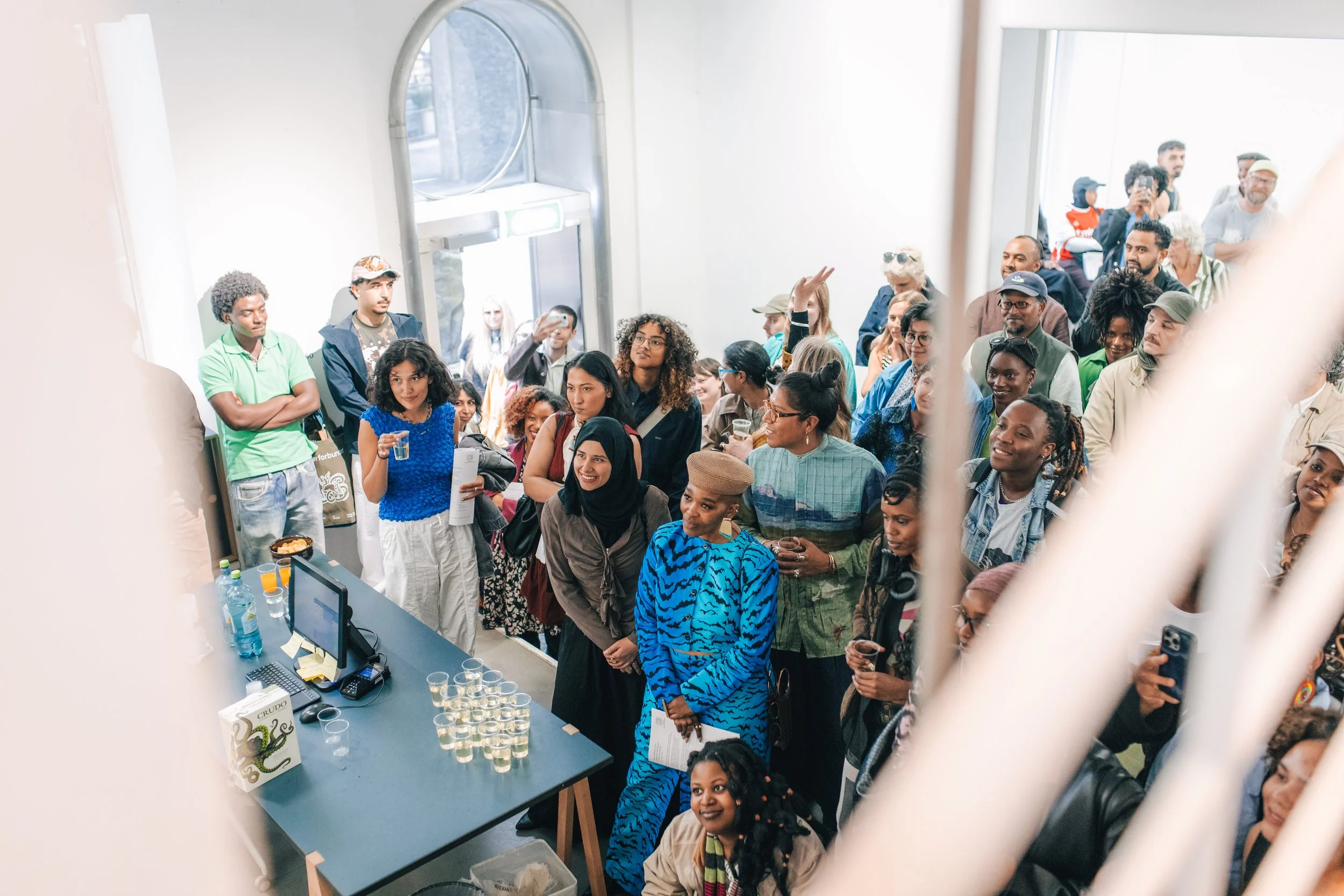
Opening of Shifting Coordinates at Kunstnerforbundet. Photo: Abdirahim Arrale
For those who are not familiar with your work, what is Atelier Kunstnerforbundet and and Peer Review?
- Atelier Kunstnerforbundet is a collective studio programme that fosters artistic and cultural production by offering free studios for artists, residencies, solidarity initiatives with, for and from communities.
- It is located inside of Kunstnerforbundet in Oslo, as an infrastructure that supports the organisation to be more inclusive, responsive and aligned with the audiences it serves and the society we are a part of, curator Martina Petrelli says.
About Peer Review
- Peer Review is a platform where Black folks* in Norway, specifically Oslo, gather once a month at Atelier Kunstnerforbundet to discuss society, culture and belonging through art, founder Jelsen Lee Innocent explains.
- We use art as a catalyst to engage in conversations that explore and challenge our own ideas, biases and politics. It is a platform that helps facilitate conversations that might sometimes be uncomfortable, but ultimately highlights the diversity of perspectives within the Black community.
- From the start, it was vital to involve the broader community rather than being an artistic collective. We are gathering black individuals from all walks of life, only a small fraction of whom are practicing artists or cultural workers, he adds.
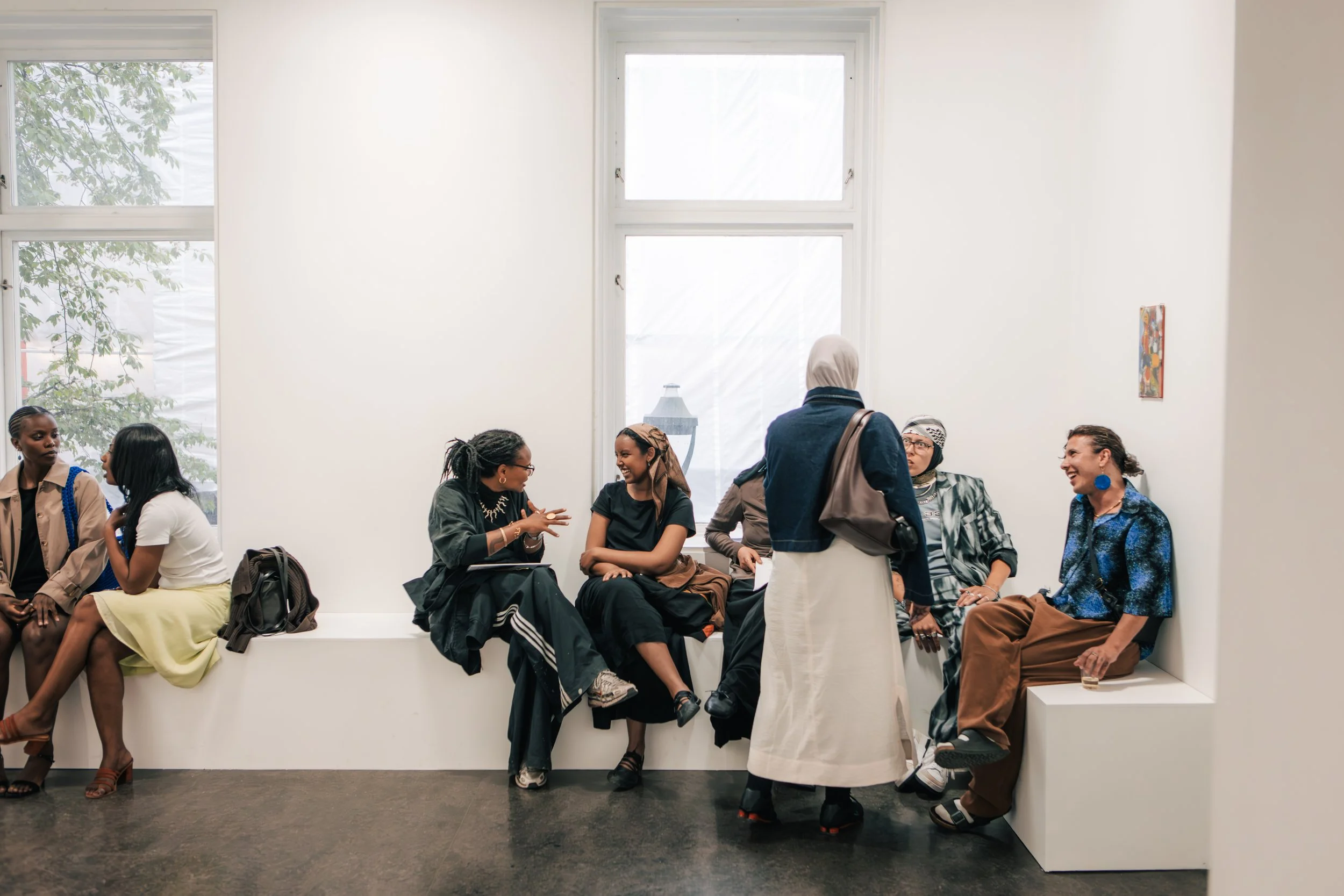
Photo: Ousu Leigh
What challenges related to diversity and equality do you see in the arts?
- In Peer Review, we have talked alot about representation, and how it is projected and interpreted. There is often an assumption that if the artist is Black, they categorically represent all of us, or their visibility is a marker of institutional and social progress, Jelsen says.
- We also talk about tokenism as a major issue. Sometimes cultural institutions target Black communities and artists in their program transactionally, without authentic investment in our communities and range of stories, Jelsen explains.
- In my experience, issues of representation within the field are often related to a performative approach. Representation cannot be reduced to programming and exhibition, and should be considered as integral to cultural organisations working team in order to have a real voice and structural impact, Martina adds.
How can your project ´Shifting Coordinates´help change this?
- We work in a highly networked and relational way. The effects of a workshop or an activity might resonate in a week, a month or ten years. In terms of changing perspectives, I am invested in a the Black public and connecting people to one another. Cultivating access and relationships via regional collaboration is ,according to Jelsen, incredibly important.
- Ultimately, I am most interested in how Black people in the Nordics see and engage with themselves, and I hope this program contributes to that. Using art as a catalyst for self-perception is beautiful. If there is a ripple effect that impacts broader society as well, that is positive, he adds.
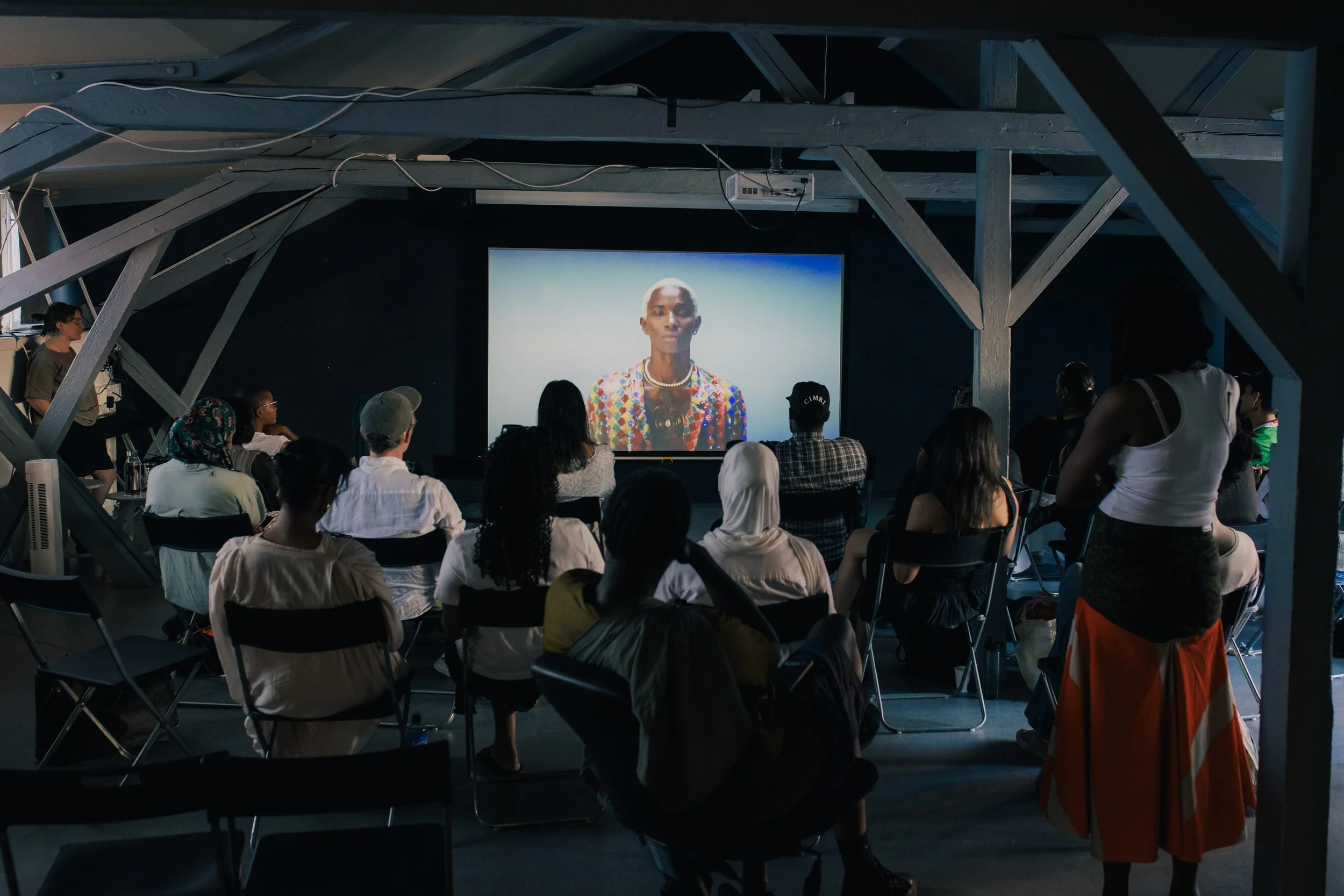
Photo: Ousu Leigh
You are the project leaders of this initiative. What motivates you personally in this work?
- For me, it is about demystifying what art is and who is allowed to speak on it. Art discourse is not exclusive to a single group, anyones voice and opinion can be considered in how art is interpreted and understood.
- That is why its called Peer Review, we consider ourselves as peers, bringing a diversity of knowledge and experience to explore how visual culture impacts us and our worldviews, Jelsen says.
- I am a curator and a cultural worker, and view my practice in the cultural scene as an collaborative endeavor. In my life, I have been privileged to live in different places because I wanted to and not because I was forced to move. This experience revealed how things are done one way and viewed as "right” in one place, and “wrong” or done differently just a few kilometers away, Martina says.
- Most things are dictated by social constructs, and I believe that methods of world-building are real. Platforming the communities that we collaborate with at Atelier Kunstnerforbundet into Kunstnerforbundet’s exhibition rooms is motivated by world-making ideas, she adds.
How has the support from Balansepotten contributed to this project?
- ´Shifting Coordinates´ being funded by Balansepotten is a recognition of our common goals and shows that our values overlap; working toward the changes in the cultural field we want to see, Jelsen says.
- The support from Balansepotten allowed for equity in participation and was part of securing the projects public program that could not otherwise happen. Funding supported compensating all participants in a fair and respectful way.
What are the plans for the future
- It has been an incredible journey so far, and it's going to be difficult to track the full impact because it continues to branch out in so many directions..
- But Peer Review’s main goal moving forward is to ensure that we maintain the integrity of the mandate the platform was founded on: a private space for Black folks living in Norway to think through art and society together.
- Participants and contributors can continue to expect monthly gatherings at Atelier Kunstnerforbundet, workshops and outings where we prioritize reflection on our diverse African heritage through the lens of art, Jelsen concludes.
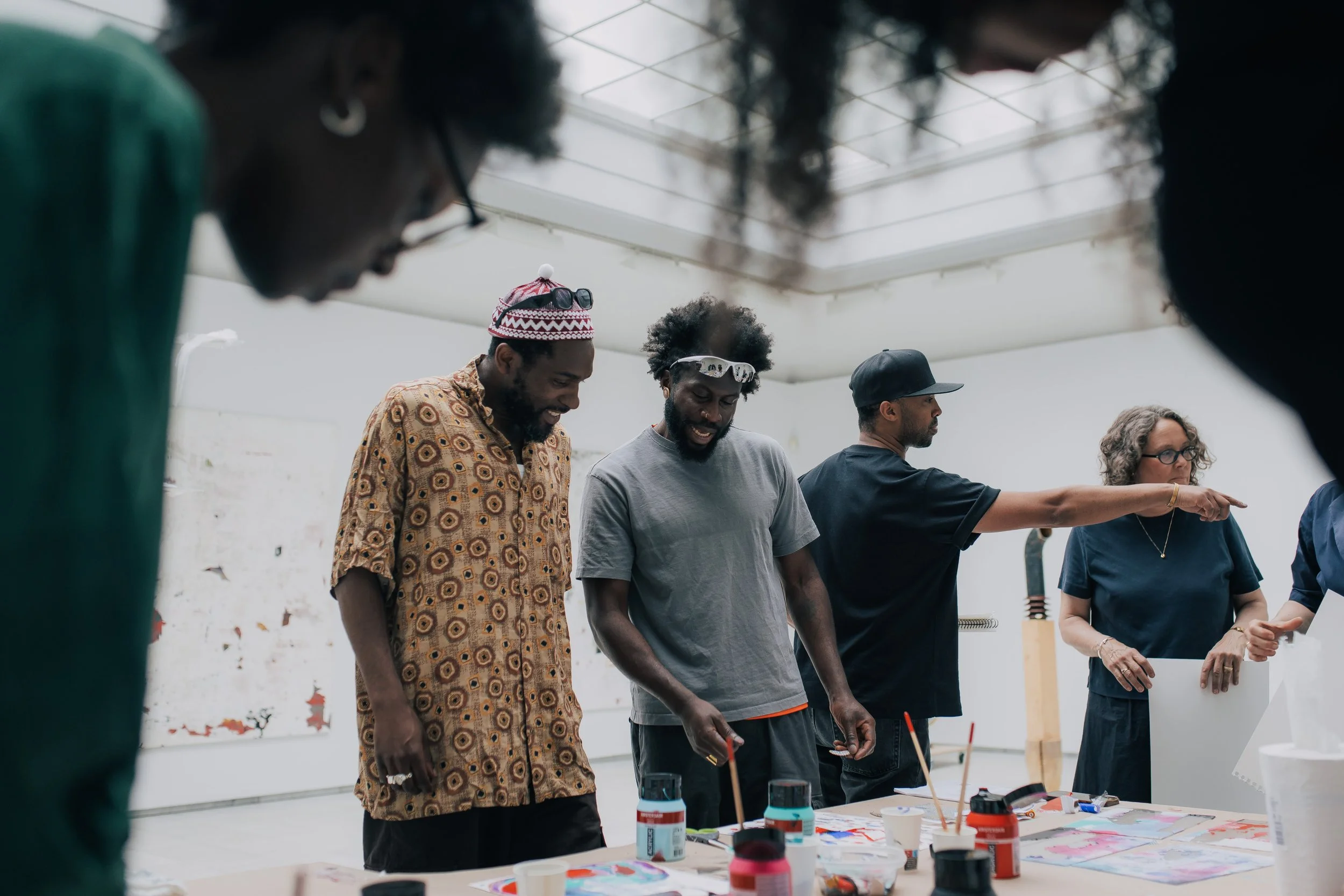
Photo: Ouso Leigh
*Black folks as used by Peer Review, is a social and cultural term referring to people of African and African diasporic descent, as well as others who identify with shared experiences of racism, colonialism, segregation, and exclusion. The term describes these shared experiences rather than skin colour or biological classification